
Lauwersoog
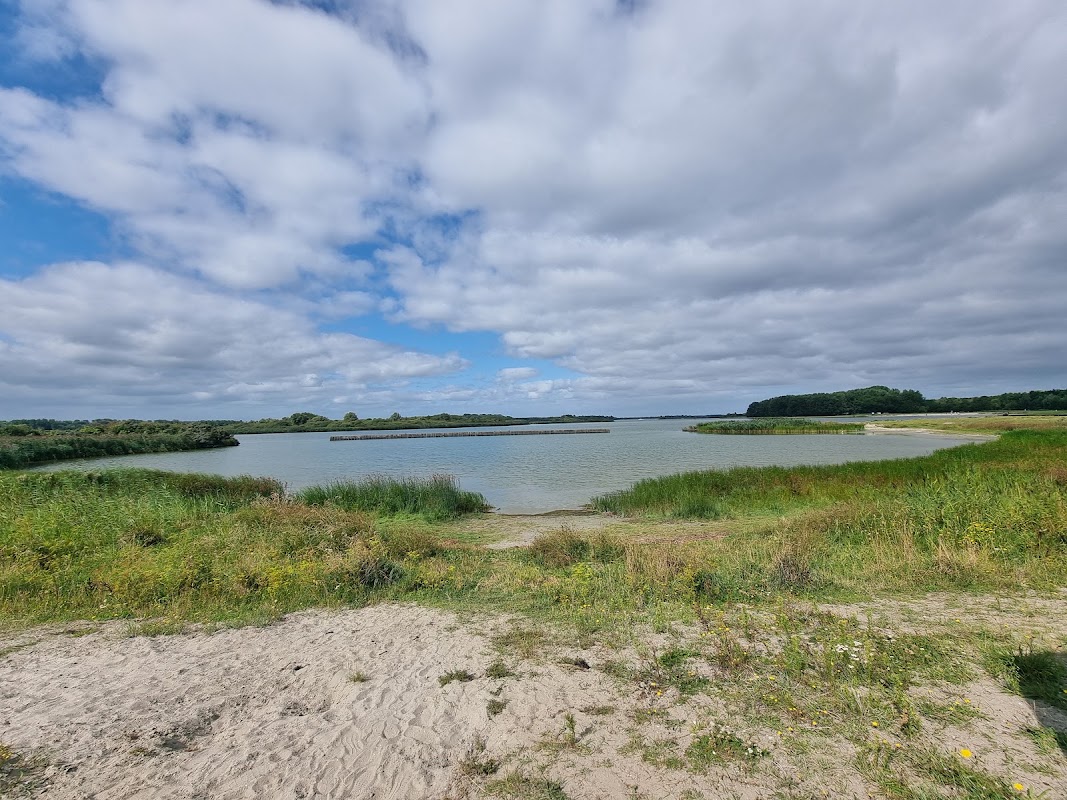
Photos from Google
The ferry to Schiermonnikoog departs from the harbour of Lauwersoog, a village of around 175 inhabitants in the municipality of Het Hogeland. That figure says a lot about the scale: this is not a busy coastal town, but a harbour village on the edge of the Lauwersmeer and the Wadden Sea.
- Beach clubs
- 3
- Avg. rating
- 4.2 / 5
The beach here lies on the Wadden Sea, not the open North Sea. That means calmer water and, at low tide, large stretches of exposed mudflats. The tide shapes the look of the day: at high water the sea reaches close to the dyke, while at low water the mudflats stretch far out. Anyone coming here keeps an eye on the tide table.
Lauwersoog borders the Lauwersmeer National Park, an enclosed sea inlet that turned freshwater after it was closed off in 1969. The area is known for its birds, rugged nature and lack of artificial light. In the evening the sky here is dark, which makes it a favourite spot for anyone who wants to see the stars.
There are three beach clubs in and around the village. The menu ranges from breakfast and brunch to lunch and dinner. The average rating comes to 4.2 out of 5. The atmosphere is described as lively and relaxed at the same time: there is a buzz around the arrival and departure of the ferry, and it is quiet the rest of the time.
The harbour itself is a working harbour. Fishing boats are moored here, shrimp cutters land their catch and there is trade in fresh fish. That gives Lauwersoog a different character from the sandy beaches further along the coast. Here you do not just look out at the sea, you also see where the fishing industry goes about its work.
From Lauwersoog you cross over to Schiermonnikoog, the nearest Wadden island, ten kilometres away. Ameland lies just over 28 kilometres away and Terschelling nearly 60 kilometres. Anyone exploring the mainland often combines the beach with a walk through the Lauwersmeer area or a guided trek across the mudflats.
The nearest railway station is Groningen. So there is no direct train connection; most visitors arrive by car or by bus towards the ferry harbour. Bear in mind that how busy it gets is closely tied to the ferry services.
Lauwersoog is a destination for anyone looking for peace, space and nature, and for anyone who wants to experience the Wadden region up close. It is not a place for anyone expecting a long promenade with shops. The appeal lies in the landscape, the harbour and the view across the water.
Great for
The mudflats at Lauwersoog fall dry at low tide, giving room to dig, hunt for shells and look at small water creatures. The beach clubs are family-friendly and serve breakfast and lunch, among other things. With young children, keep to the tide table, because the picture changes quickly as the water comes in.
Dogs are welcome at several beach clubs in and around Lauwersoog. The exact rules for dogs on the beach and in the nature reserve vary by zone and by season, and can be strict in a protected area such as the Lauwersmeer. Check the current rules with the municipality of Het Hogeland and with the national park.
Three beach clubs serve dinner, with views across the harbour and the Wadden Sea. The dark sky above the Lauwersmeer area keeps the evenings peaceful. Book a table around the busy ferry times.
For lunch you can head to the beach clubs, which also offer brunch. Fresh fish from the harbour is part of the character of Lauwersoog. A spot by the waterside gives you a view of the cutters and the ferry.
The harbour, the mudflats and the national park lend themselves to an outing with a mudflat excursion or a boat trip. Afterwards there is room to join the table with a group at one of the beach clubs. The location, set apart from the city, suits a day without distractions.
When it rains and blows, the three beach clubs offer a spot indoors, with views of the water and the activity in the harbour. The menu ranges from breakfast to dinner. The Lauwersmeer area is a reason to come even in rough weather, as long as you are well dressed for it.
Season & atmosphere
In the summer months it is busiest around the ferry harbour. Travellers to and from Schiermonnikoog, day trippers and walkers all come together, especially around the boat's arrival and departure times. Outside those peak moments it stays manageable even in high season.
The early and late season are marked by bird migration in the Lauwersmeer area. In spring and autumn large numbers of migratory birds stop over here, which draws birdwatchers to the area. The beach and the mudflats are quiet then.
Lauwersoog is known for its dark night sky. The area has little artificial light, so the stars are clearly visible. Around clear nights and during activities out on the mudflats, people come especially for this.
In winter it is quiet and the wind off the Wadden Sea can be strong. The beach clubs then have more limited opening hours. Anyone visiting in this season would do well to check in advance what is open and how the ferry services are running.
The tide sets the rhythm all year round. Low and high water shift each day, so the best moments for a walk across the exposed mudflats vary from day to day.
Practical
Keep the tide table for low and high water to hand. At low water the mudflats fall dry and you can walk far out, while at high water the sea comes right up close to the dyke. A mudflat excursion should only be done under the guidance of a certified guide.
There is no direct train connection. The nearest station is Groningen. Most visitors arrive by car or by bus towards the ferry harbour.
There is parking within walking distance, partly paid. For current rates and locations, see the parking overview on this page. Around the ferry departure times the car parks can get busy.
Anyone crossing over to Schiermonnikoog should plan the outward and return journey around the ferry timetable. Booking the crossing and a parking space is advisable in high season.
In the Lauwersmeer area, bear in mind the rules of the national park. In some parts you are not allowed to roam freely, in order to protect the nature and the birds.
Dress for the weather: there is often wind off the Wadden Sea and it can be chilly out on the mudflats, even in summer.
Nearest station: Groningen Plan your journey →
Beach rules & zones
The beach at Lauwersoog lies on the Wadden Sea. This is not a long strip of sand on the open sea, but a coastline where the mudflats fall dry at low tide and are under water at high tide. The picture therefore changes from hour to hour, depending on the tide.
As for dogs, they are welcome at several beach clubs in and around the village. The exact rules for dogs on the beach and in nature vary by municipality and by zone, and are often strict in a protected area such as the Lauwersmeer. What counts as an off-lead area and where a lead is required can also change from season to season. Check the current rules for dogs with the municipality of Het Hogeland and with Lauwersmeer National Park before you go.
The Lauwersmeer area borders directly on the village and is an enclosed sea inlet that turned freshwater after 1969. The area is a national park with special birds and a dark night sky. Some parts are closed off or have limited access in order to protect the nature.
Parking
4 marked as paid, 19 with no fee info. Tap a pin for the name and directions.
Parking payment details come from OpenStreetMap and may be incomplete. Please check locally.
Nearby seaside resorts
Last updated: 23 June 2026