
Terschelling
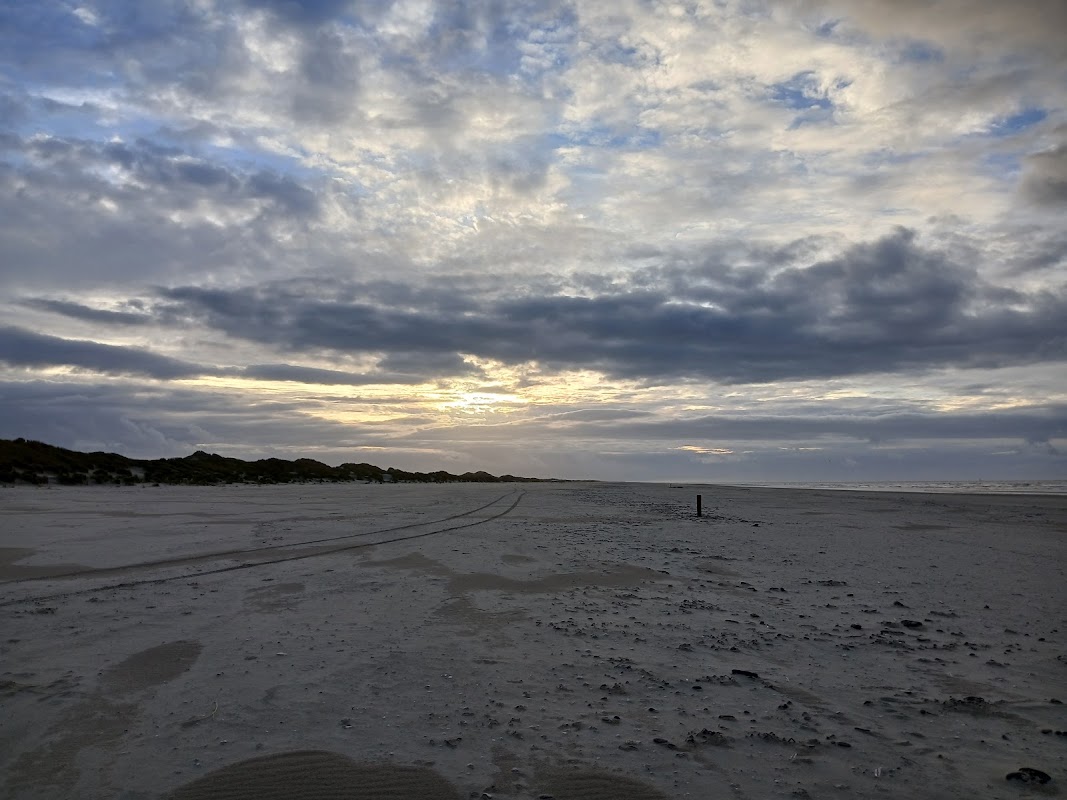
Photos from Google
Thirty kilometres of beach along the northern side of the island, from beach marker post 8 to beyond post 20, form the basis of beach life on Terschelling. It is the third inhabited Wadden island counting from the west, and belongs to the province of Friesland. Until 1942 it fell under Noord-Holland.
- Beach clubs
- 11
- Avg. rating
- 4.4 / 5
If you are heading to Terschelling, you take the boat from Harlingen. A car is not necessarily needed on the island; many visitors get around by bike. The beach runs along almost the entire length of the northern side, with access points at the well-known beach marker posts. The thirteen beach clubs are spread out along that coast, so you rarely have to walk far for a terrace or a hot meal.
The average rating of the beach clubs is 4.5 out of 5. The offering ranges from breakfast and brunch to lunch and dinner, and the atmosphere varies from place to place. Some venues focus on families with a quiet terrace and simple dishes, others on an evening out with a more extensive menu. A number of locations have room for groups and are suited to a corporate outing or a wedding.
The beach itself is broad and slopes gradually down to the sea, which makes it a generous area for walking and playing at low tide. The dunes behind it largely belong to a protected nature area, with paths leading inland from the beach access points. Walking or cycling, you pass the polder and the salt-marsh areas on the Wadden side.
Dogs are welcome at several beach clubs. The rules for dogs on the beach itself are set out in the local by-law and are linked to the breeding season; more on that under the beach zones. If you are combining the island with a visit to its neighbours: Vlieland lies about 19 kilometres away, Ameland just over 32 kilometres, and De Koog on Texel nearly 50 kilometres, though these are connections over water and not simply done on a whim.
Terschelling lends itself to both a day trip and a longer stay. The combination of a long beach, ample nature and a handful of villages means you can spend several days here without exhausting the beach programme. West-Terschelling is the largest village and the arrival point of the ferry; from there visitors spread out across the island.
Great for
The broad, gently sloping beach gives children plenty of room to play at low tide. Several beach clubs have a quiet terrace and a menu with simple dishes alongside the more extensive offering. The beach access points connect to cycle paths, so a day at the beach combines well with a ride through the dunes.
Dogs are welcome at several beach clubs on the island. On the sea beaches they may in principle run off the lead, provided they are kept under control; in places marked with signs they must be kept on the lead. Check the signs on the spot and read the beach zones below for the seasonal pattern.
Some of the beach clubs serve dinner with a more extensive menu and a view of the sea. The western side of the beach faces the setting sun. A number of locations are also available as a wedding venue, which reflects the standard of those venues.
Lunch is part of the standard offering at most venues, alongside breakfast and brunch. Thanks to their spread across thirty kilometres of beach, you will find a terrace within walking distance of a beach access point almost everywhere. The average rating of 4.5 out of 5 applies to the venues taken together.
Several beach clubs can host groups and are suited to a corporate outing. The island itself adds walking, cycling and sailing activities to that. The crossing from Harlingen does call for some planning ahead with the ferry service.
In rain or strong wind, the beach clubs with an indoor area offer a place to shelter over breakfast, lunch or dinner. The amount of covered seating varies from place to place. The villages on the island, with West-Terschelling as the largest, provide further options indoors.
Season & atmosphere
In summer the largest share of visitors arrives, often for several days. The ferries from Harlingen are fuller then, and on warm days the beach is busy around the access points by the posts.
Oerol, the theatre and culture festival in June, draws large crowds to the island and is one of the busiest periods of the year. Booking your crossing and accommodation is all but essential during that week.
Outside the high season it becomes quieter. In spring and autumn the beaches are empty enough for long walks, while some of the beach clubs are still open for lunch or a hot meal. Opening hours vary in those months, so check in advance which venues are open.
In winter the beach is mainly the domain of walkers and dogs. The number of open beach clubs is limited then, and the weather strongly determines how the island feels: in a storm there is plenty of wind on the northern side.
Practical
You reach Terschelling by ferry from Harlingen. The nearest station is Harlingen Haven, where the boat connects. Book your crossing well in advance during the high season and during Oerol.
A car is not always needed on the island. Many visitors hire a bike, which is handy given the distances between the villages and the beach access points. If you do come by car, you will find parking within walking distance; for rates and locations, consult the parking overview on this page.
The beach runs along the entire northern side and is reached via the numbered posts. Bear the tide in mind: at low tide the beach is much broader than at high tide, and some sections temporarily disappear under water.
Bring protection against wind and sun. The open northern side is often windy, even on sunny days. Check the opening hours of the beach clubs in advance, as these vary by season and by location.
Nearest station: Harlingen Haven Plan your journey →
Beach rules & zones
On the sea beaches of Terschelling, dogs may in principle run off the lead, provided they are kept under sufficient guidance or control, in other words within recall. In places marked with signs, on the beach and in the polder, they must be kept on the lead.
During the breeding season the rules are enforced more strictly in those marked places: dogs there must be kept on the lead or are not allowed. The local by-law does not name fixed dates or beach marker post numbers; the current boundaries are shown on signs on the spot. So always follow the signage and put your dog on the lead where this is requested.
This is based on the APV Terschelling 2021, article 2:57. Because rules can change, it is wise to check the current situation with the gemeente Terschelling.
The beach itself stretches along the entire northern side of the island, with access points at the numbered posts. The dunes behind it largely belong to a protected nature area, where paths lead inland from the beach. On the Wadden side lie polder and salt-marsh areas.
Horse riding on the beach
On Terschelling, horse-riding on the beach is possible all year round, but the Boschplaat (eastern part) is not accessible to riders and nature restrictions apply elsewhere. There is an extensive network of bridleways (managed by Staatsbosbeheer). The APV has no specific beach horse rule with fixed times.
Parking
0 marked as paid, 18 with no fee info. Tap a pin for the name and directions.
Parking payment details come from OpenStreetMap and may be incomplete. Please check locally.
Nearby seaside resorts
Last updated: 23 June 2026